

A striking extension in Portmarnock
Refurbishment and extension of a substantial dwelling in Portmarnock
Project Description
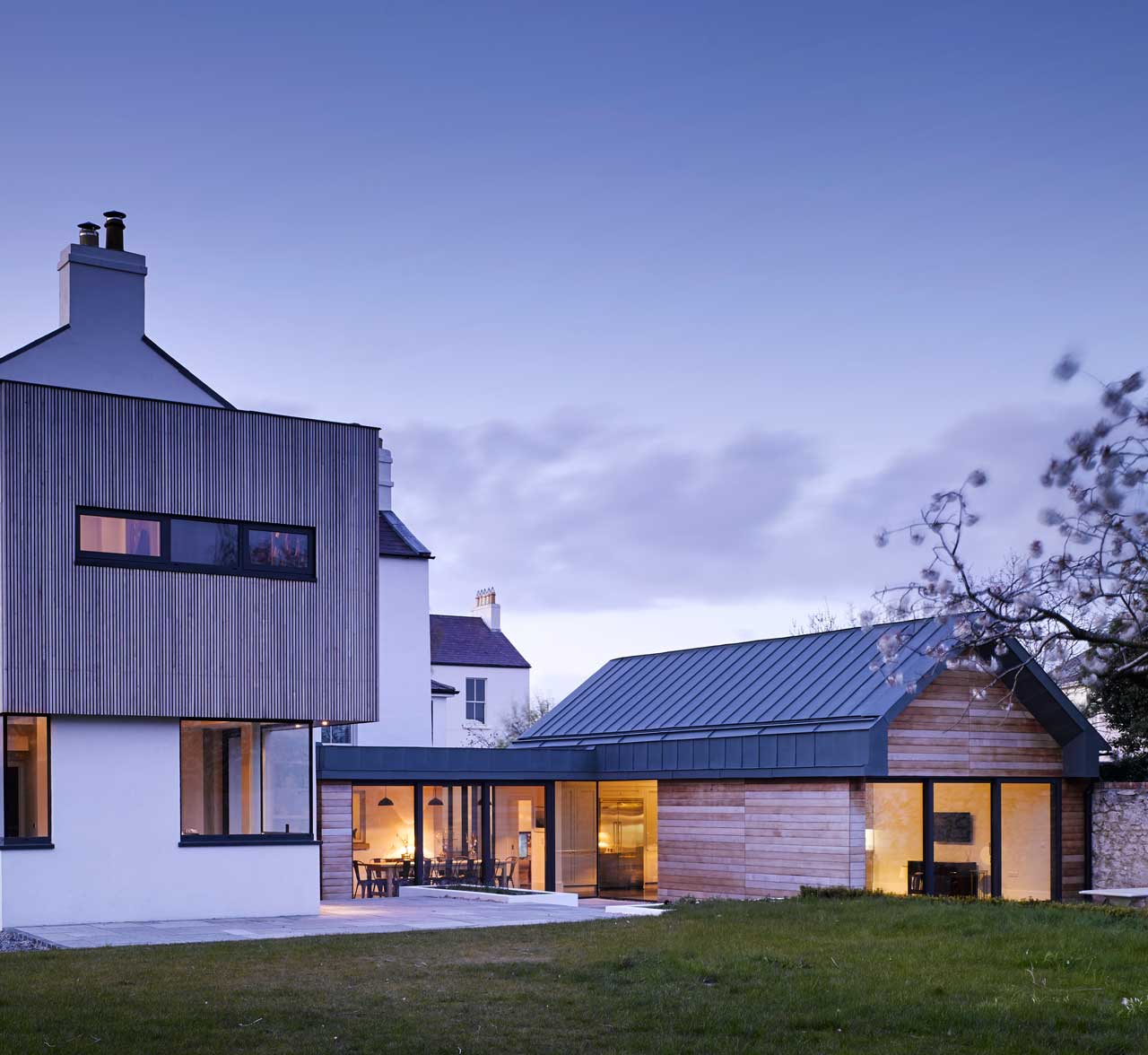
This recently completed project involved the full remodelling and extension of the existing two-storey dwelling. The brief was to provide the building with new, coherent, and integrated facades and a flexible floor plan that would suit a modern family.
Carrickhill Road has a long and varied architectural history, and each style reflects its time. This led to a design that combines modern details and materials with more traditional shapes. This proposal plays with the traditional architecture of the dormer roof, giving it a sculptural look that makes its modern intervention clear.
The house was designed to maximise the extra floor space by adding it to the back of the existing house. The proposed first-floor extensions and new roof were also designed to give the house a new look from the street while still fitting in with the existing streetscape.
To do this, the design plan is to retain the existing house's footprint on the ground floor and place the proposed additional floor space at the rear of the house. At the first-floor level, the proposal is to extend the existing ground-floor footprint to the west and extend the existing first-floor level to the rear at the eastern end of the house. The existing pitched roof will be replaced with a new pitched roof that accommodates front and rear dormer roof windows.
The existing single-storey porch has been replaced with a new linear cantilevered entrance canopy with built-in planters and rain-screen cladding on the walls. This adds a modern touch to the building's character, and the canopy's straight lines match the newly strengthened planar emphasis of the elevation.
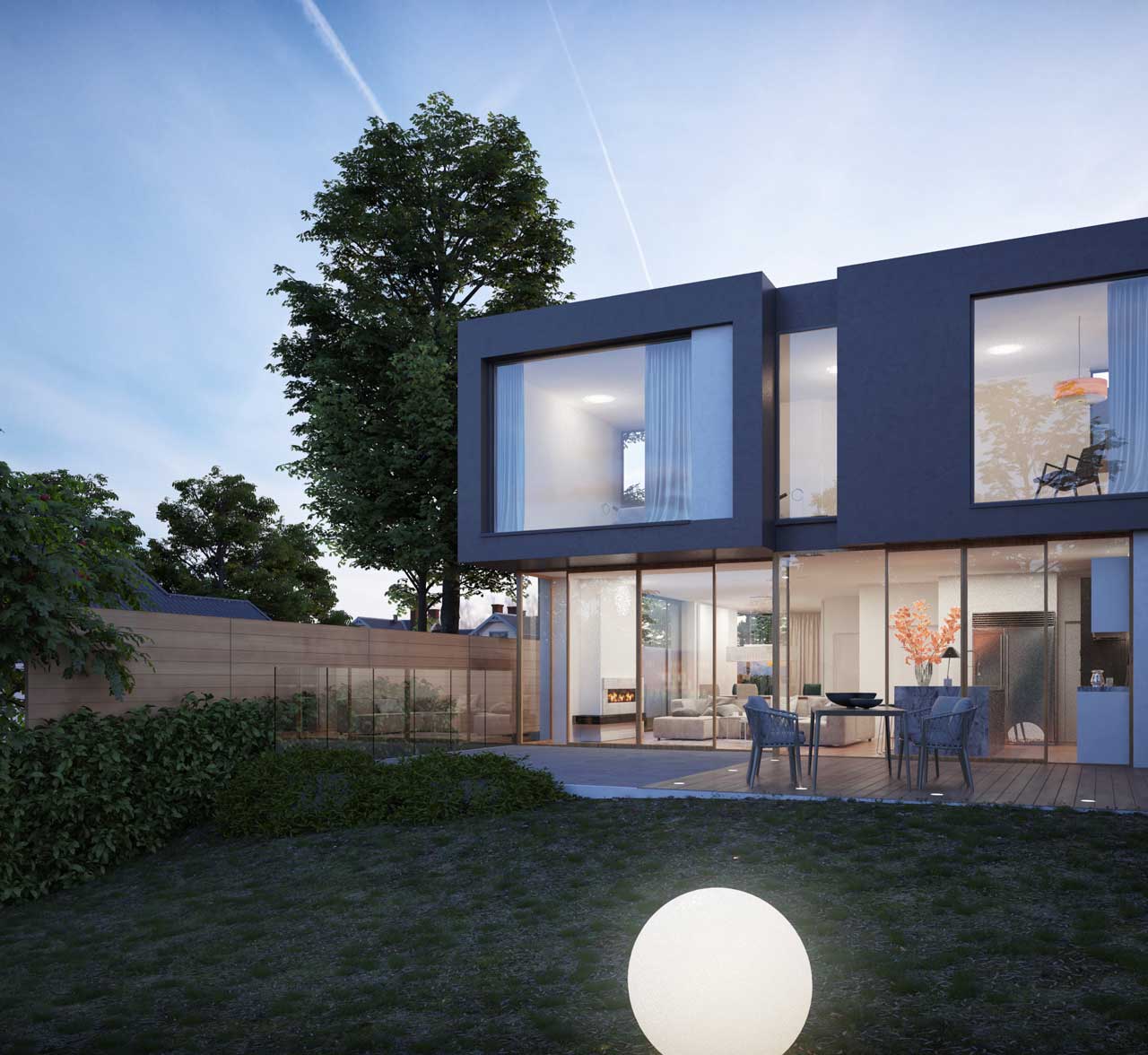
The proposed rear elevation includes a contemporary brick-and-render ground-floor extension, as well as two new flat-roofed volumes with large glazed openings that step beyond the existing building line.
The existing first floor is extended westward over the current single-story element. This emphasises the linear nature of the front and back elevations and strengthens the design by preserving the existing solid-to-void rhythm on the façade.
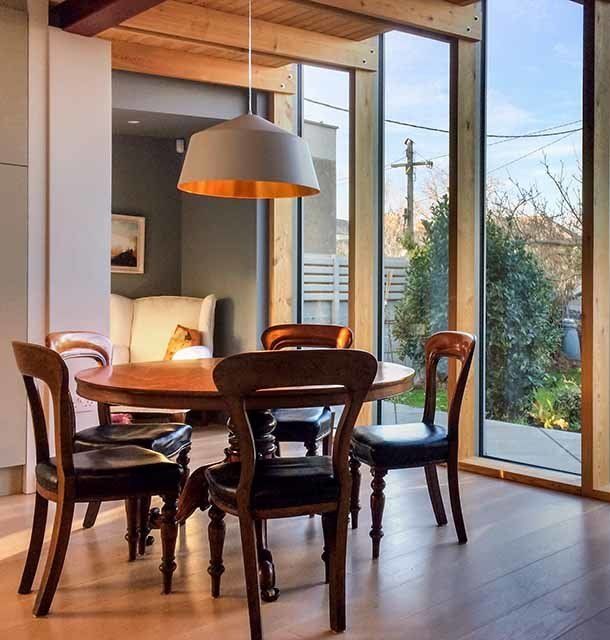
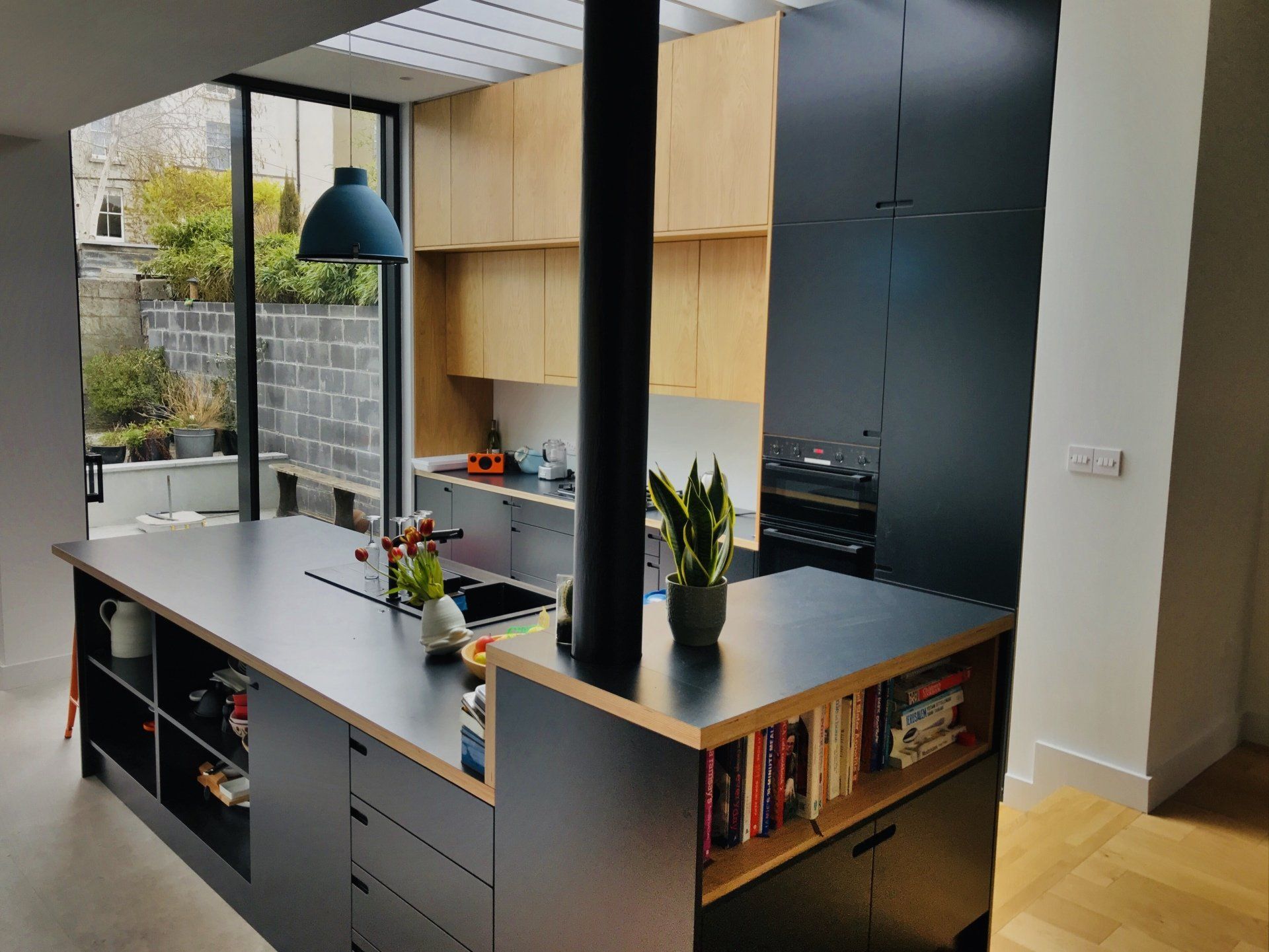
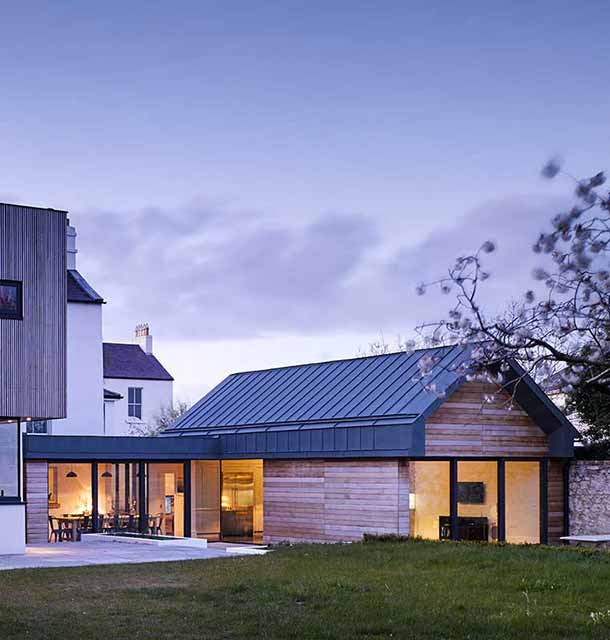
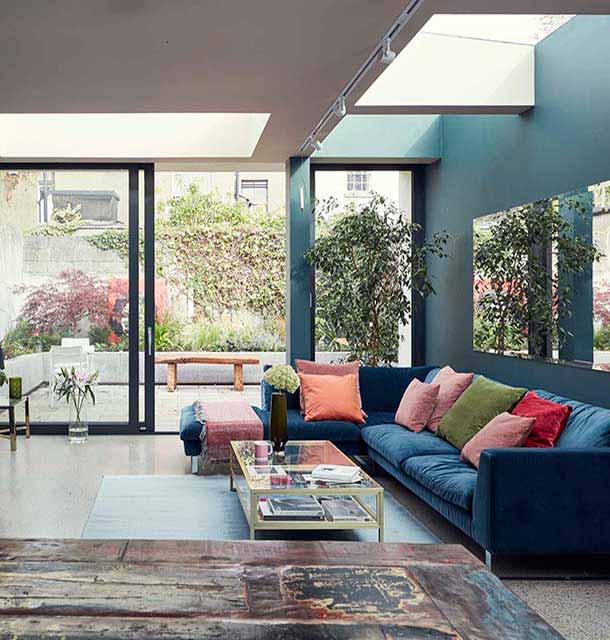
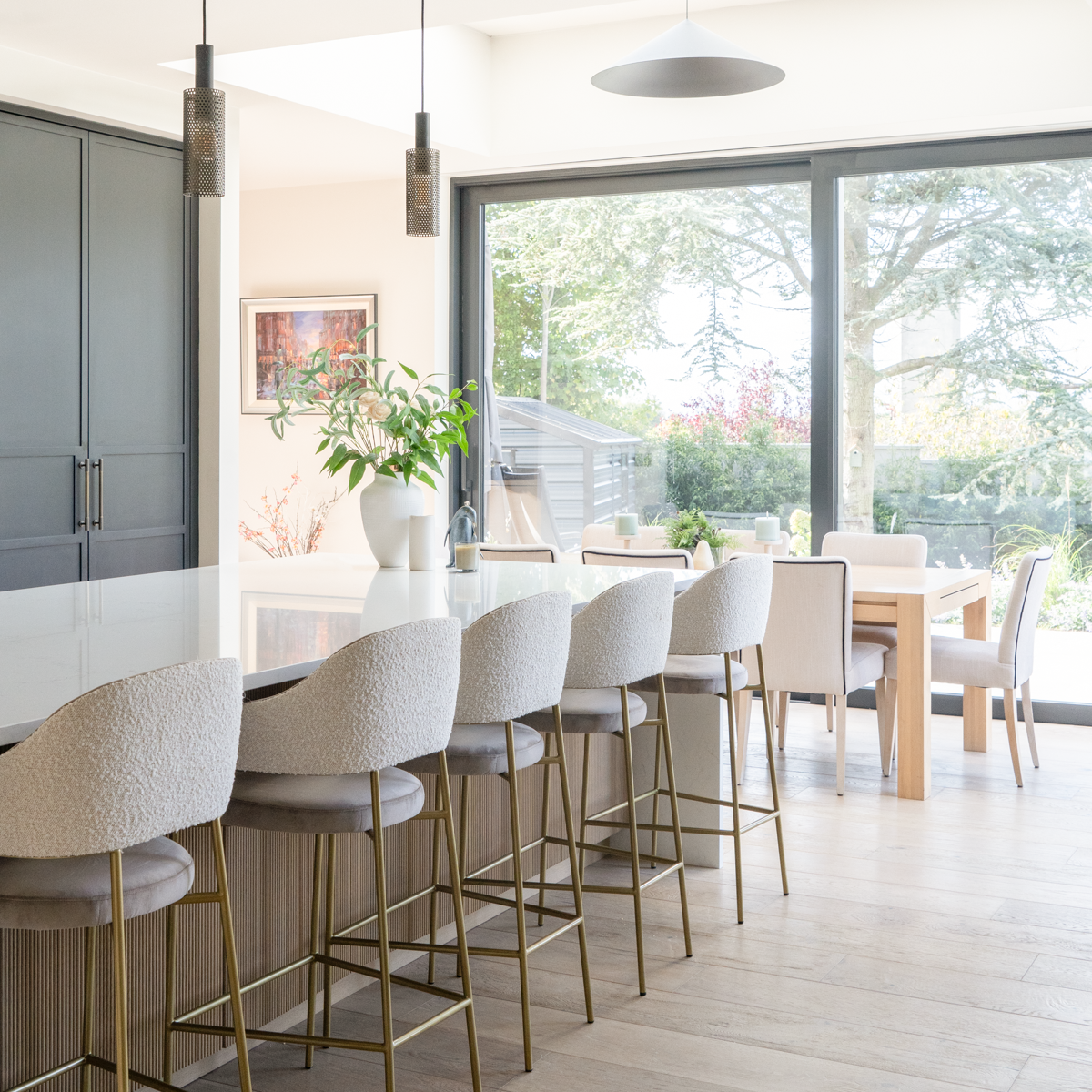
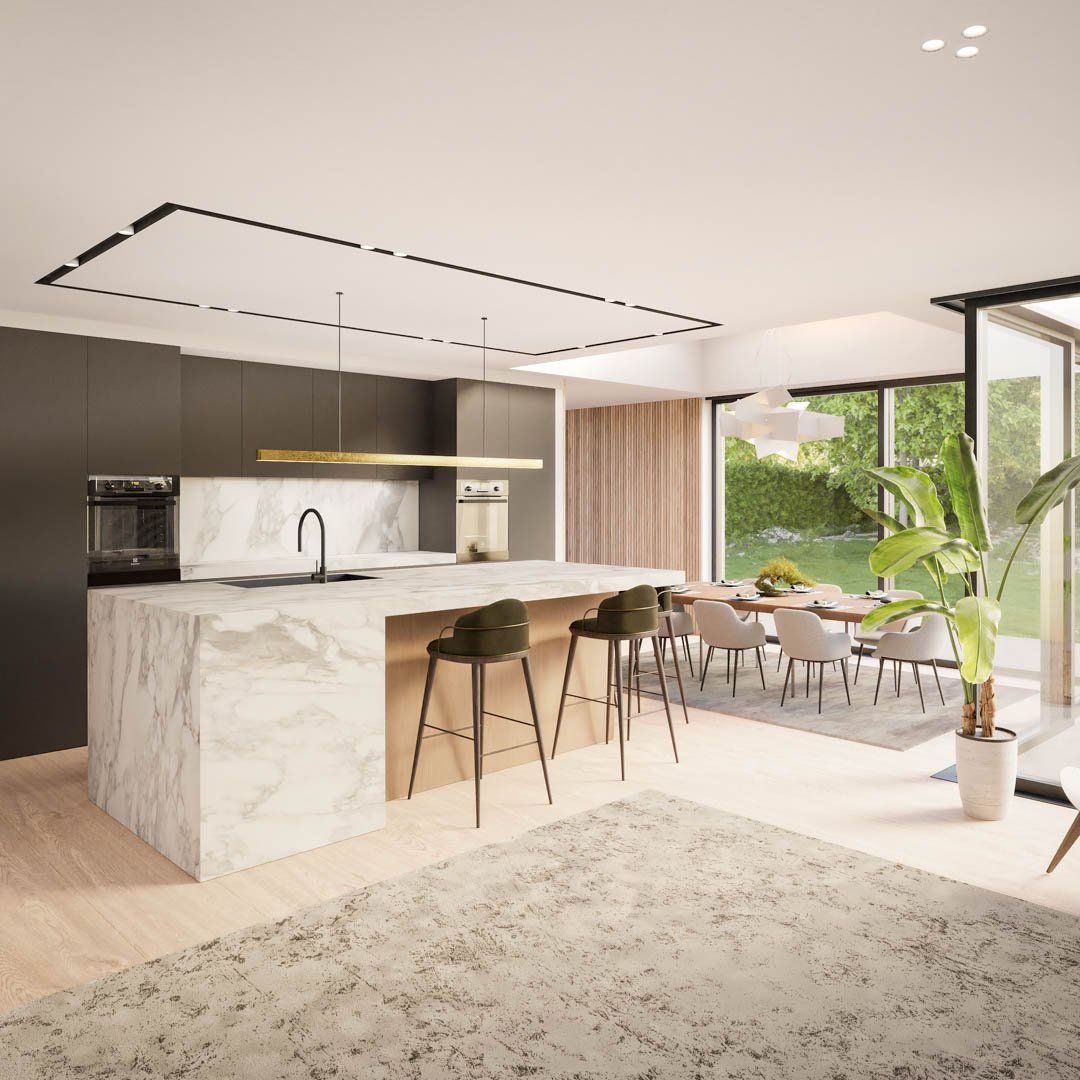
The images below illustrate 3D visualisations of the developing design alongside photos of the final result.






Tell us about your project
Related Projects