


Hazel Lane, Clontarf
A multi-award winning development,3 contemporary mews houses designed on a difficult backland site

Project Description
This scheme places three two-storey contemporary dwellings on a vacant plot at the intersection of the back gardens of approximately 20 semi-detached and detached dwellings in the established residential community of Clontarf, Dublin. The site is accessed via a 5.5m-wide laneway between two semi-detached dwellings and is hidden from the street.
The site is 70m long and 10m wide, sharing garden boundaries with seven dwellings to the north and a 4m-wide laneway to the south. The building geometry, orientation, and size are dictated by site constraints and privacy and overshadowing issues.
The core project concept was to maximise the available site area for each house without impacting the amenity of any adjoining dwellings. To achieve this, the footprint of each site, including the garden and house, was conceived as a single entity. The garden is an integral part of the overall ground-floor plan, a mirror image of the house plan and interlocking with it. By ‘introverting’ the external garden area into the design of the house, the site area is maximised without any impact on the adjoining dwellings.
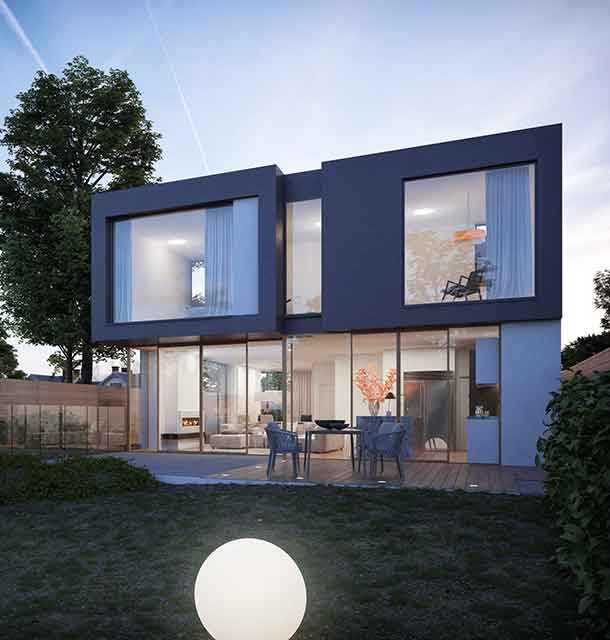
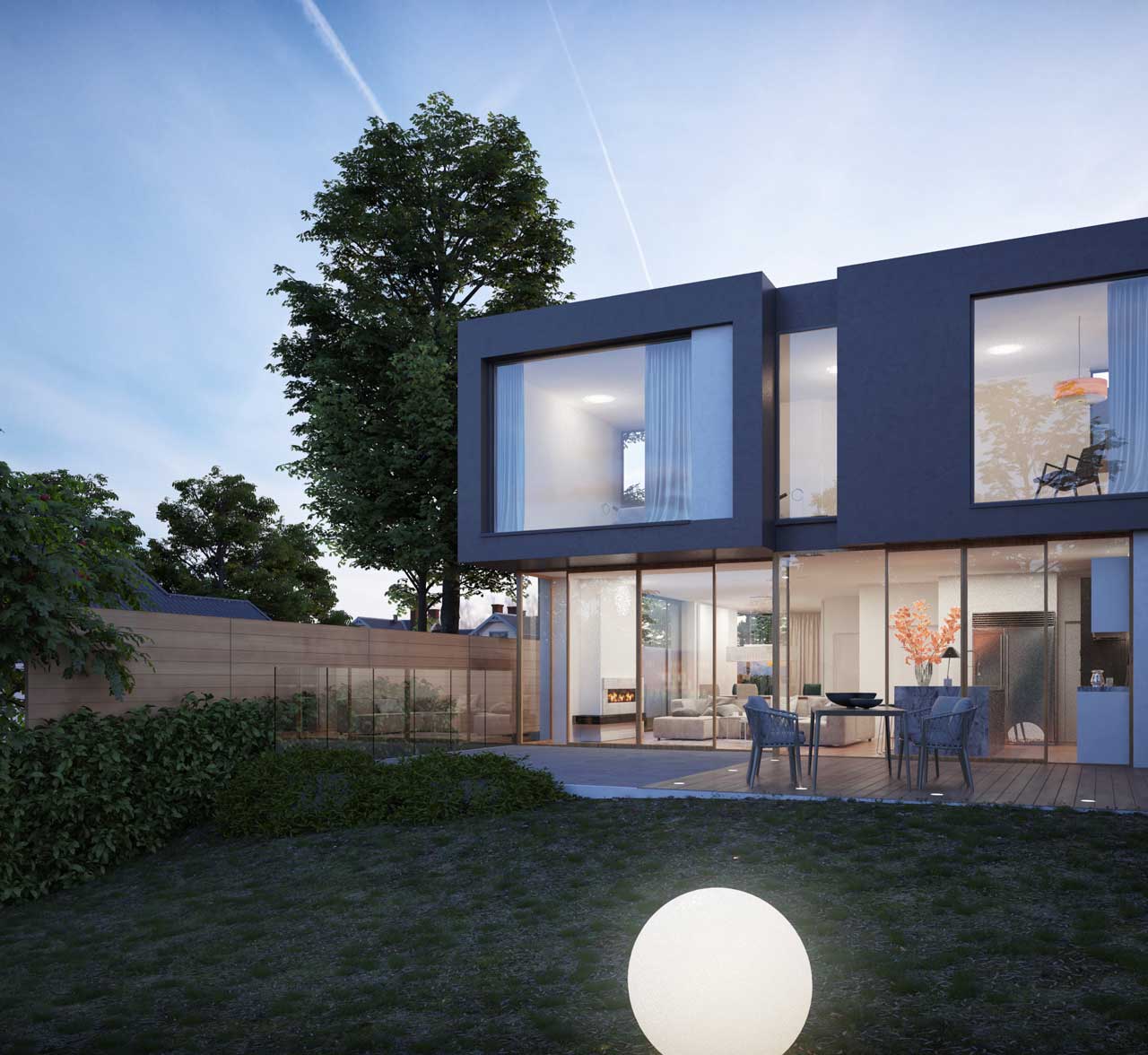
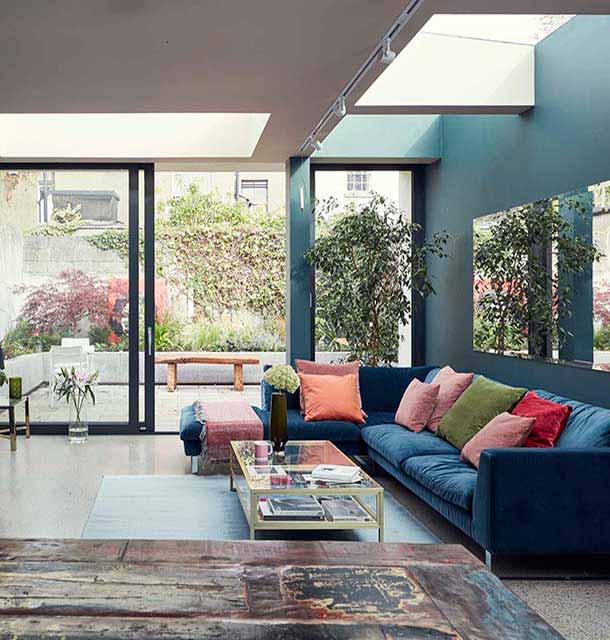
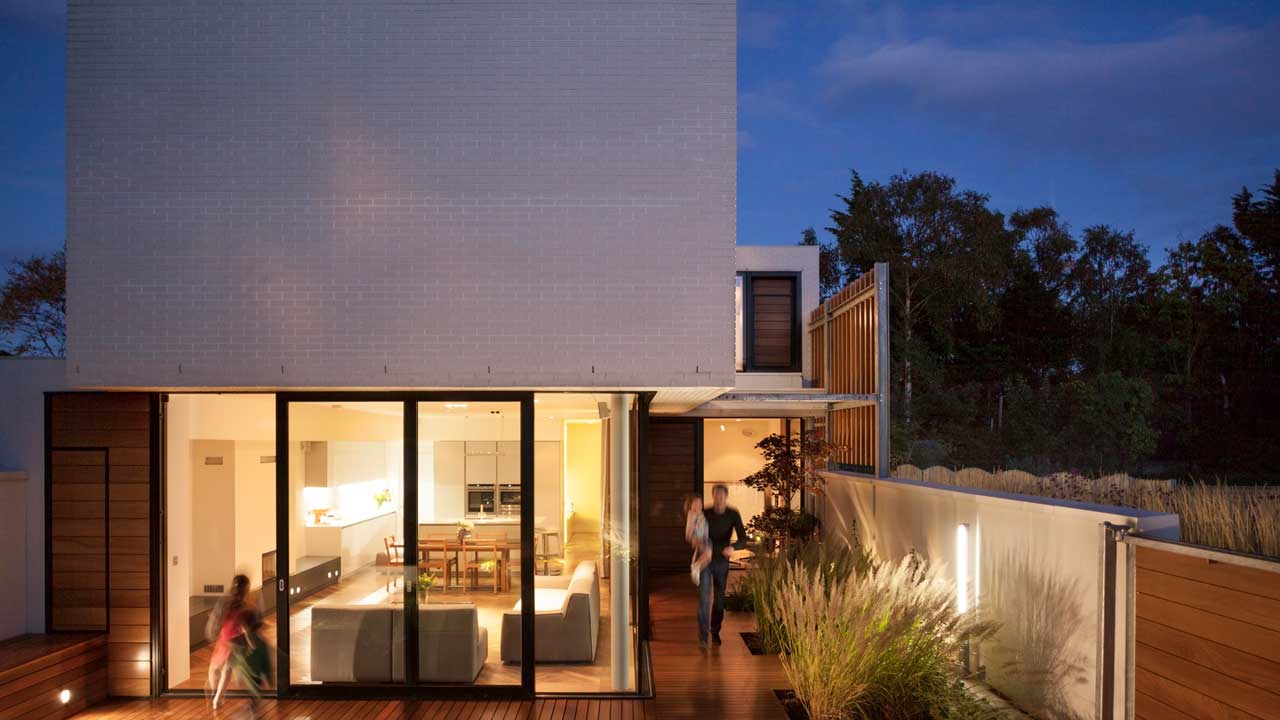
This concept allows the ground floor to be as open-plan as possible and to take advantage of the site's south-west orientation. As such, the laneway façade is designed as a defensive or boundary wall, pierced only by small openings with timber louvre screens. On the garden side, in sharp contrast, full-height glazing 3 meters high allows maximum penetration of light deep into the plan from the south and west facades.
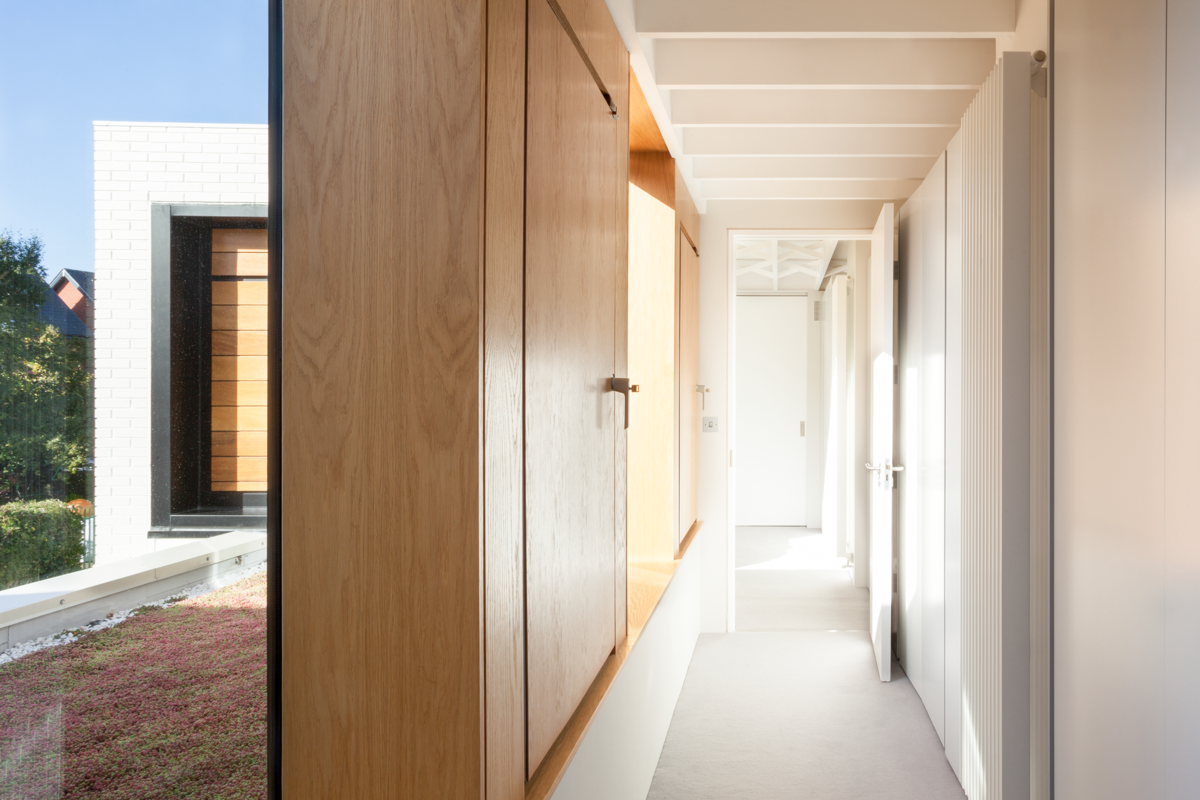
The first-floor level is treated much the same as the ground floor, with all windows oriented toward a planted sedum roof. This south-facing roof garden and full-height glazing to the bedrooms allow light to penetrate deep into the bedrooms without any direct or indirect overlooking of adjoining properties. The lroko louvres on the ground floor extend to the first-floor level, forming a privacy screen to prevent oblique overlooking.
The ‘openness and transparency’ of the south and west façades at ground floor level juxtaposes sharply with the ‘closed’ treatment of the east and north facades. These facades are left as solid brick planes to ensure no overlooking of adjoining gardens.
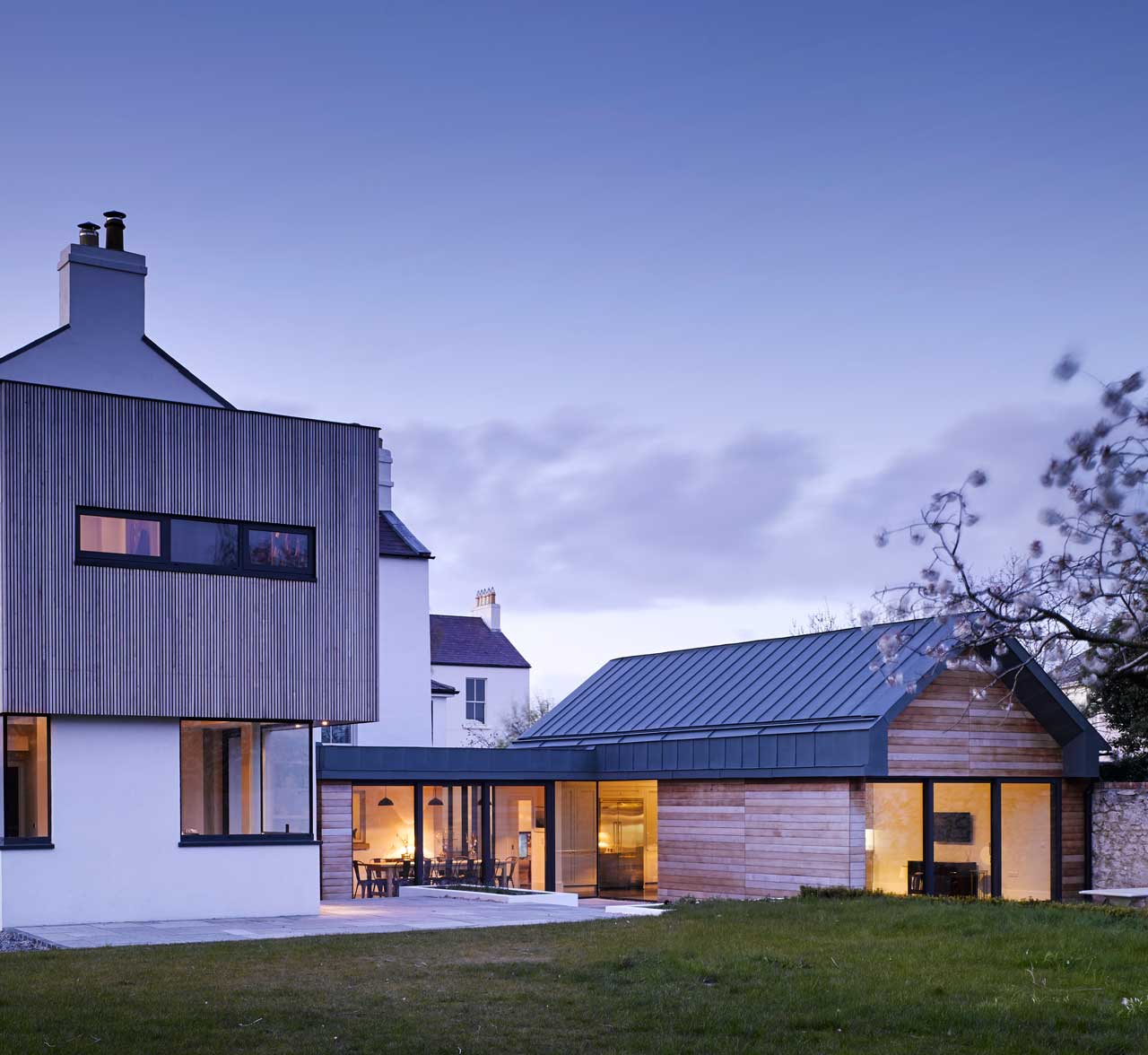
The first-floor brick-clad box accentuates the solidity of these inward-looking sculptural volumes, with architectural glazing carefully placed to avoid any overlooking. The uncompromising outward façade projects a determination to ensure the privacy of those inside and of those in surrounding houses.
Photographs by Alice Clancy







Tell us about your project
Related Projects